
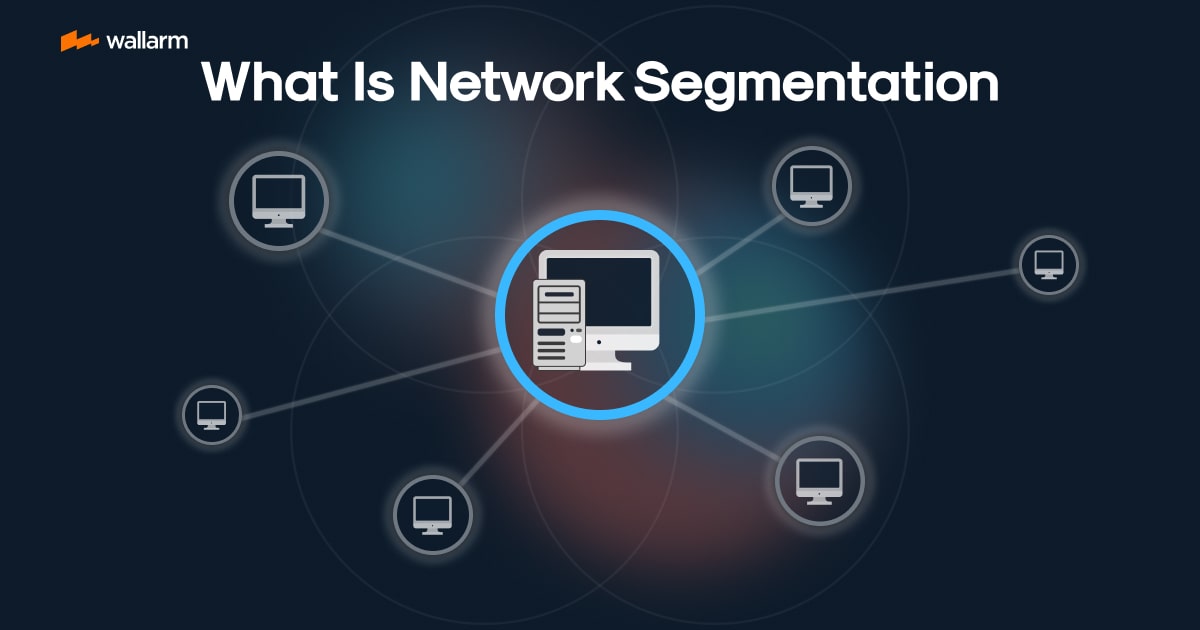
Enhance security by segregating and segmenting OT networks into trusted and untrusted zones and stopping attacks from propagating throughout your industrial control system networks.
Many Operational Technology (OT) networks in use today were constructed during an era when an “air gap”—complete isolation from IT systems and the internet—was considered adequate security. Consequently, many OT assets are “insecure by design” because security was not a primary concern at the time of their creation. However, malicious actors are increasingly aware of these vulnerabilities. They exploit them through digital transformation initiatives, increased connectivity, and the convergence of IT and OT systems.
Attacks on OT environments show no signs of abating. Recent research by a prominent security firm revealed an almost 100% increase in new ransomware variants in the first half of 2022 compared to the previous six months. This surge underscores the urgent need for robust security measures like network segmentation.
Effective network segmentation in OT environments requires a thorough understanding of both IT and OT systems, along with the specific operational requirements of industrial processes. Here’s a structured approach to implementing network segmentation:
Asset Identification: Identify and catalog all assets within the OT environment, including their network communication patterns and dependencies.
Risk Assessment: Conduct a risk assessment to identify potential vulnerabilities and the criticality of different assets to operations.
Design Segmentation Strategy: Develop a segmentation strategy that considers both security and operational needs. This involves defining subnet boundaries and creating policies for inter-segment communication.
Policy Configuration: Configure firewall rules and other security policies to control traffic flow between segments. Ensure these policies are aligned with the overall security objectives.
Monitoring and Maintenance: Continuously monitor network traffic and segment interactions to ensure compliance with security policies and to detect any anomalies. Regularly update and refine segmentation strategies as needed.
By adopting network segmentation, organizations can create a more secure and resilient OT environment, better protecting critical infrastructure from the growing threat of cyber attacks.
Network segmentation is a critical strategy for organizations aiming to mitigate unauthorized access and ransomware threats in operational technology (OT) environments. By dividing OT networks into distinct segments, this approach effectively prevents unauthorized traffic and safeguards essential OT assets and sensitive data, such as Safety Instrumented Systems (SIS), Distributed Control Systems (DCS), SCADA systems, and vital repositories like proprietary recipes and trade secrets.
OT network segmentation enhances security by establishing both physical and logical barriers within the OT environment. This involves isolating multiple OT networks (known as security zoning) from each other and from external networks such as corporate IT and third-party connections, including inter-facility links.
Our Network Segmentation service aims to bolster security by halting the spread of attacks within the OT network and protecting vulnerable assets. Effective segmentation prevents malware from proliferating across systems and networks, thereby reducing network congestion and enhancing overall performance. This is particularly crucial in industrial settings like manufacturing plants, power generation facilities, and oil rigs.
Implementing network segmentation in OT environments presents challenges, especially in environments with diverse vendor assets and varying network designs. Despite these complexities, deploying the right tools, technologies, and processes enables successful segmentation and security.
NIST 800-53 and OT Network Segmentation Overview: NIST 800-53, a cybersecurity framework by the National Institute of Standards and Technology (NIST), advocates network segmentation as a pivotal measure for limiting the impact of cyber incidents. By partitioning networks into smaller, isolated zones with specific security controls, organizations can curtail lateral movement by attackers and safeguard critical assets.
Delaying Attack Progression: Effective segmentation buys time during cyber incidents, impeding attackers from accessing desired assets quickly.
Implementing Least Privilege: Strong segmentation facilitates precise access controls, safeguarding critical OT assets against insider and external threats.
Mitigating Breach Impact: Segmenting networks minimizes the scope of breaches, reducing recovery efforts and mitigating potential damage.
Comprehensive network discovery and analysis

By producing quality and innovative products, this company has greatly contributed to the growth and development of the technology industry in Hong Kong and the Asian region. Also, this company has boosted Hong Kong's economy by creating job and investment opportunities.
All Rights Reserved By PowerTech©